

A $31.8M T. rex named Gus sets new auction record
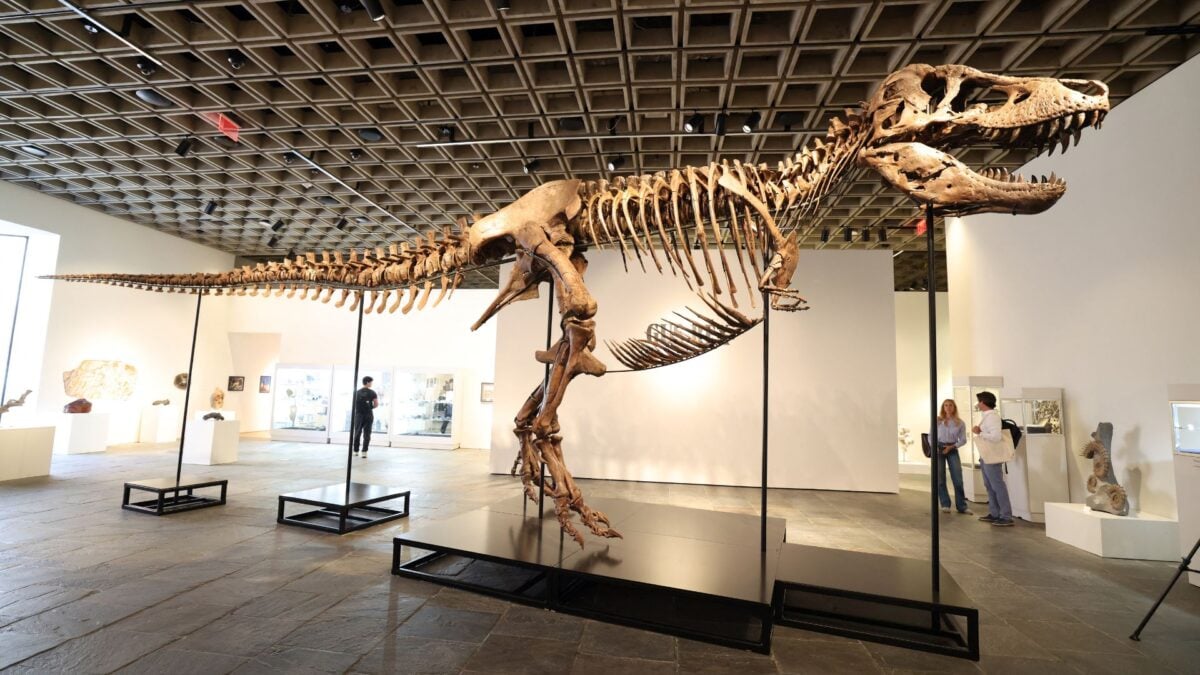
In a sale that rewrote the rulebook for prehistoric artifacts, a 75% complete Tyrannosaurus rex nicknamed Gus hammered down for $31.8 million at auction. The price eclipsed the prior record by nearly $20 million, underscoring how deep-pocketed collectors now view rare fossils as trophy assets rather than merely scientific specimens.
From specimen to status symbol
Gus’s skeleton—missing only parts of the ribcage, tail and forelimbs—fetched its record sum at Sotheby’s New York on Tuesday, positioning the specimen among the most expensive single lots ever sold by the auction house. The hammer price places the dinosaur in the same financial league as blue-chip art and ultra-high-end watches, a shift that reflects growing crossover interest from tech fortunes and private museums.
What the sale signals for science and speculators
For paleontologists, the transaction spotlights both opportunity and risk. High-profile auctions can spotlight fossils that might otherwise languish in obscurity, potentially funding new digs and research. Yet the stratospheric price also raises concerns that exceptional specimens could disappear into private hands, limiting public study and exhibition. Sotheby’s said Gus’s new owner plans to display the skeleton publicly, a pledge that would mitigate—but not eliminate—those concerns.
Why it matters
The Gus auction demonstrates that exceptional fossils have crossed a psychological threshold: they are now viewed as cultural trophies as much as scientific treasures. While the sale energizes fundraising for fieldwork, it also intensifies debates over access and stewardship. For the market, the record price sets a new benchmark that future bidders will have to beat—with or without a name as memorable as Gus.
Source: Gizmodo. AI-assisted editorial synthesis — TechnoExpress.