

Ancient Face Injury Reveals Early Human Resilience
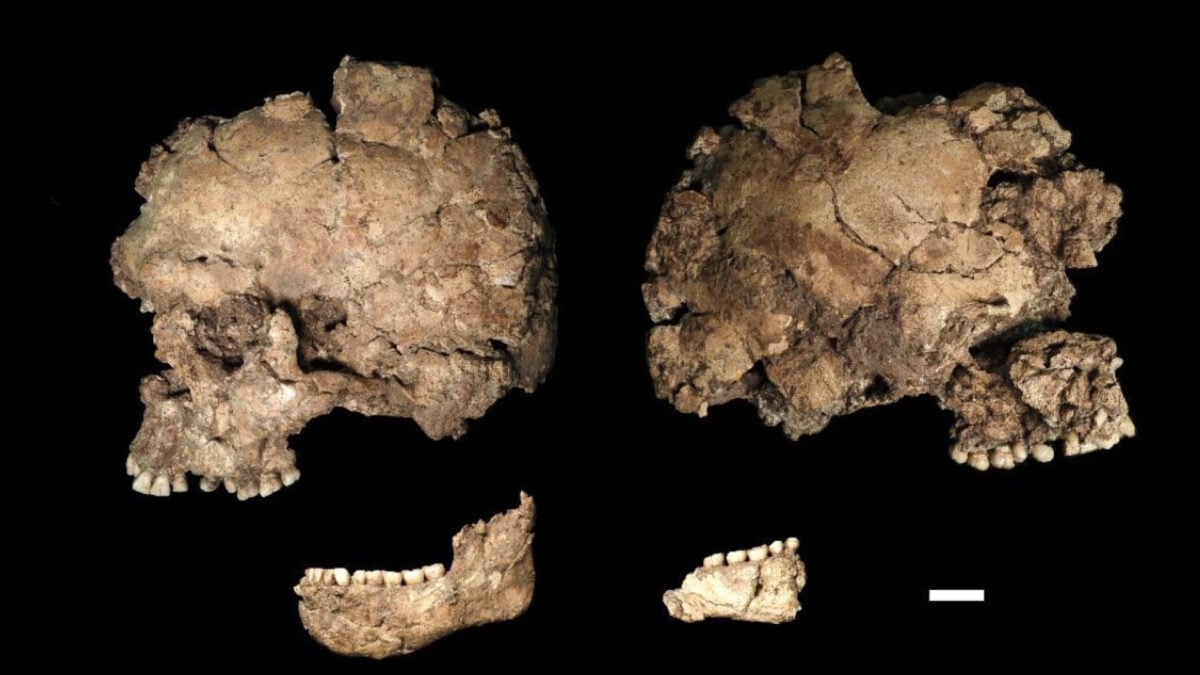
A 1.4-million-year-old skull unearthed in Kenya bears unmistakable signs of a violent encounter—a deep, sharp wound to the face that the individual somehow survived. The discovery, reported by researchers, suggests this may be the earliest known instance of an injury caused by a pointed object, offering a rare glimpse into the risks early humans faced and their capacity to endure hardship.
A window into survival 1.4 million years ago
The fossil, identified as part of an early Homo species, features a distinctive V-shaped lesion on the cheekbone, consistent with a deliberate strike from a sharp implement. While the exact cause remains speculative, researchers propose it may reflect interpersonal conflict, accidental injury during hunting, or even ritualistic behavior. What stands out is not just the trauma itself, but the evidence of healing: the bone shows signs of remodeling, indicating the individual lived for weeks or months after the incident. This survival hints at communal care or protection within early human groups.
What the injury tells us about early human behavior
The finding challenges assumptions about aggression in our ancestors. While sharp-force trauma has been documented in later hominins, this skull predates those examples by hundreds of thousands of years. The timing aligns with a period when early Homo was transitioning toward more complex social structures and tool use. The injury could imply that social hierarchies or competition existed, or that tools—whether for hunting, defense, or crafting—were already integral to daily life.
Why it matters
This fossil doesn’t just add to our understanding of ancient injuries—it reshapes how we view early human resilience and social bonds. A healed wound suggests care, cooperation, or at least tolerance within a group, traits that likely contributed to survival during a harsh era. It also underscores how violence, whether intentional or incidental, may have been a recurring challenge, shaping both biology and behavior. Ultimately, the skull serves as a silent testament to the endurance—and vulnerability—of our earliest ancestors.
Source: Gizmodo. AI-assisted editorial synthesis — TechnoExpress.