

A surprising home lab upgrade that changed everything
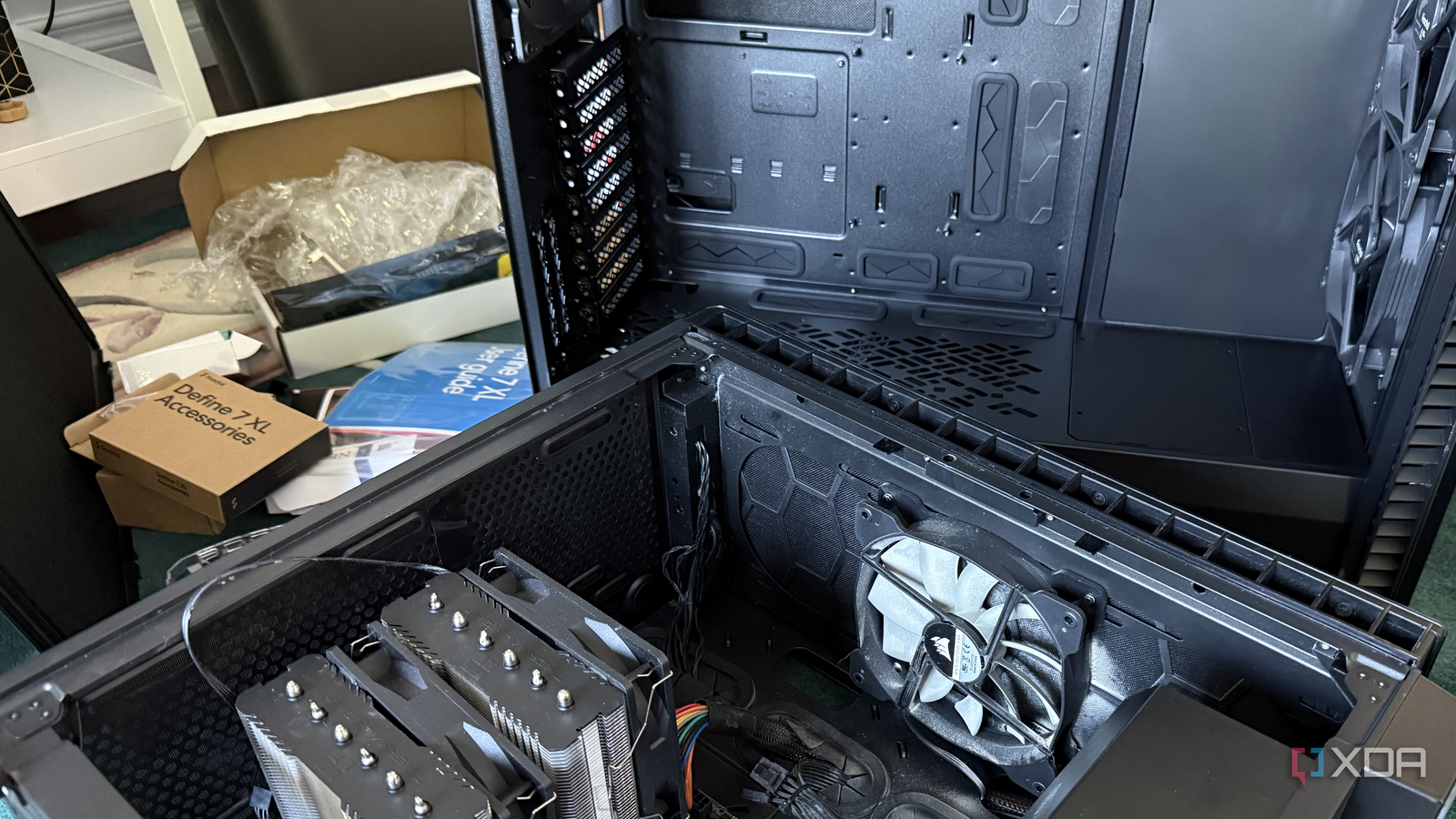
A decade-old mid-tower case was all that stood between a hobbyist’s chaotic home lab and a sleek, dependable workhorse. After years of cramming hard drives, GPUs and cooling fans into a repurposed gaming chassis, one simple switch turned chaos into order—and noise into near-silence.
From clutter to calm: why the case mattered most
What started as a weekend box for random experiments has quietly become the backbone of daily computing: a NAS holding terabytes of data, an AI inference engine, a photo archive and a backup vault. Every spin-up of a VM or burst of inference reminded the owner that this machine deserved better than a case designed for flashy RGB rather than silent, round-the-clock duty. The decision wasn’t about swapping drives or slotting new GPUs; it was about housing the entire rig in a server-grade enclosure built for airflow, noise dampening and tool-less maintenance.
Airflow, silence, and the joy of plug-and-play
The new case brought immediate dividends. Front-to-back airflow, optimized fan curves and rubber grommets for drive trays cut operating temperatures and hushed the constant hum that once filled the room. Cable management improved overnight thanks to dedicated routing channels and tool-less drive bays, making upgrades as simple as sliding in a new SSD and clicking it into place. No more wrestling with zip ties or hunting for the right screwdriver during late-night storage expansions.
A lesson for every basement sysadmin
The takeaway is straightforward: when hardware hums 24/7, the enclosure is as critical as the components inside. A case built for servers isn’t just aesthetic—it’s a foundation for reliability, efficiency and sanity. For anyone running a home lab past its prime, the best upgrade might not be a new CPU or GPU, but the box that finally gives the whole system room to breathe.
Source: XDA Developers. AI-assisted editorial synthesis — TechnoExpress.