

Your SSD may be borrowing your RAM without you knowing
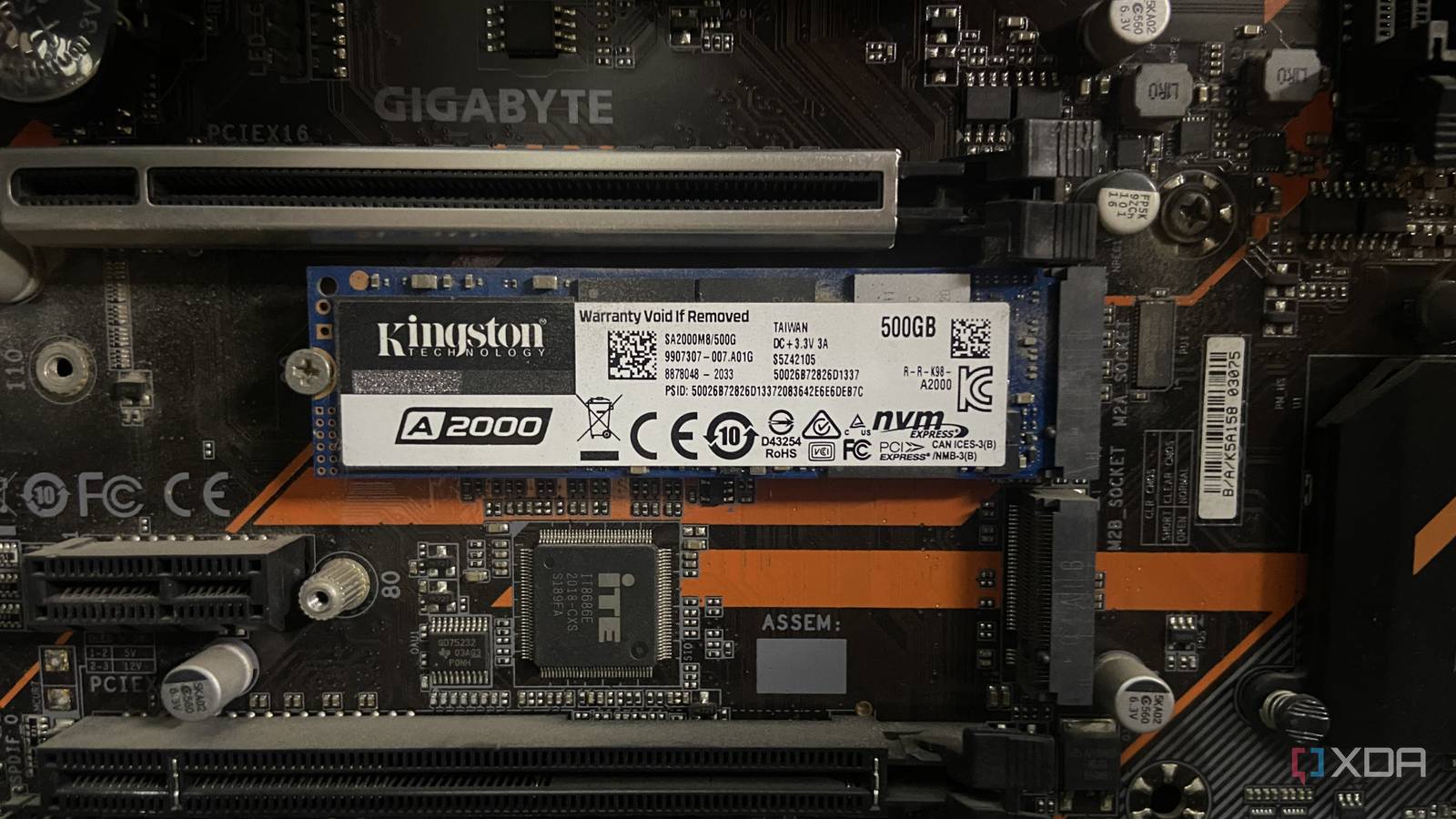
When you buy an NVMe SSD, not all drives are built the same—especially when it comes to memory. A growing number of budget and mid-range drives now ship without their own onboard DRAM, instead relying on your system’s RAM to cache data. The result? Faster initial writes, but potential slowdowns under sustained loads and extra wear on your CPU and memory subsystem.
The hidden cost behind DRAM-less SSDs
Most high-end NVMe drives include dedicated DRAM to store mapping tables that track where data is physically stored on the flash chips. These tables are critical for speed: without them, the controller has to search the drive’s flash memory repeatedly, which slows down write operations and increases latency. DRAM-less models bypass this by temporarily storing mapping data in your system’s RAM instead. While this approach lowers production costs and allows for slimmer designs, it shifts the workload from the SSD controller to your CPU and memory controller—resources that are also being used by running applications.
Who’s affected and what it means for buyers
The practice is most common in entry-level and value-focused NVMe drives, where cost savings outweigh performance consistency. Users running light workloads—like web browsing or office tasks—may never notice the difference. But those handling large file transfers, video editing, or database operations could see inconsistent speeds, especially when multitasking. Over time, frequent use of system RAM for storage caching can also contribute to increased memory pressure and slightly reduced overall system responsiveness.
Why it matters
For budget-conscious buyers, DRAM-less SSDs can be a practical choice—if the workload matches. However, the lack of visible labeling means consumers might unknowingly compromise performance without realizing it. As SSD prices continue to fall and DRAM-less designs become more widespread, clear disclosure from manufacturers would help users make informed decisions. Until then, checking reviews or technical specs for DRAM presence remains a smart step before upgrading storage.
Source: XDA Developers. AI-assisted editorial synthesis — TechnoExpress.