

Retro USB Drive Revives Apollo-Era Memory in 64-Bit DIY Project
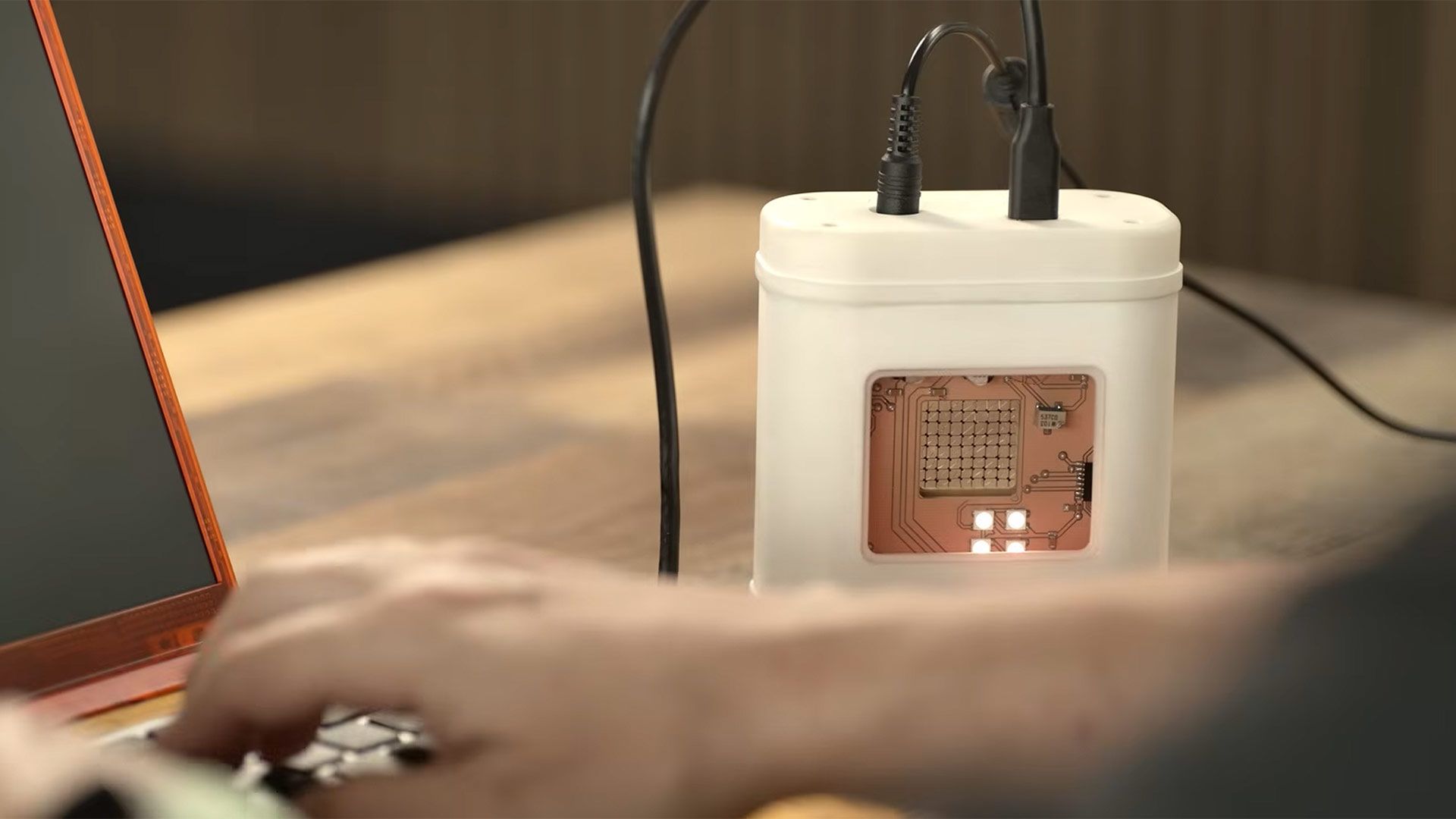
Faced with the ongoing RAM shortage, one maker has turned to a decidedly unusual solution: a USB drive built around magnetic core memory, a technology last used in Apollo-era spacecraft. The device stores just 64 bits—less than a single character—but offers a glimpse into computing’s analog past.
A Blast From the Past
Polymatt’s project repurposes magnetic core memory, a system where tiny iron rings store bits by magnetizing them in one direction or another. Though obsolete for modern PCs, the approach was once reliable enough for NASA’s guidance computers. For this build, the maker salvaged the tiny magnetic rings from an old Russian computer, hand-threaded them into a frame, and submerged them in silicone oil—more for aesthetics than necessity. The result is a functional, if impractical, storage device that can hold data even when unpowered, a trait modern RAM lacks.
Handcrafted Hardware, Persistent Memory
Polymatt’s creation is far from a sleek commercial product. Each component was assembled by hand with soldering iron, CNC machining, and a 3D printer. The final device doesn’t store files like a standard USB drive but instead maintains a single persistent file called core.txt. Unplugging and replugging the device confirmed its non-volatile nature, a key advantage over conventional RAM. While the capacity is laughably small by today’s standards, the project highlights the ingenuity of retro computing enthusiasts.
More Than Just Nostalgia
Though the 64-bit drive won’t replace your SSD, its radiation-resistant design offers a niche advantage. Modern memory can fail in high-radiation environments, but magnetic core memory’s simplicity makes it more resilient. The project also underscores how makers are exploring creative alternatives amid component shortages. With no further updates yet from Dr. Semiconductor’s promised “PC scale” RAM project, DIY memory remains a fascinating rabbit hole for tech tinkerers.
Source: Tom's Hardware. AI-assisted editorial synthesis — TechnoExpress.