

DIY Raspberry Pi Security Camera Beats Paid Alternatives
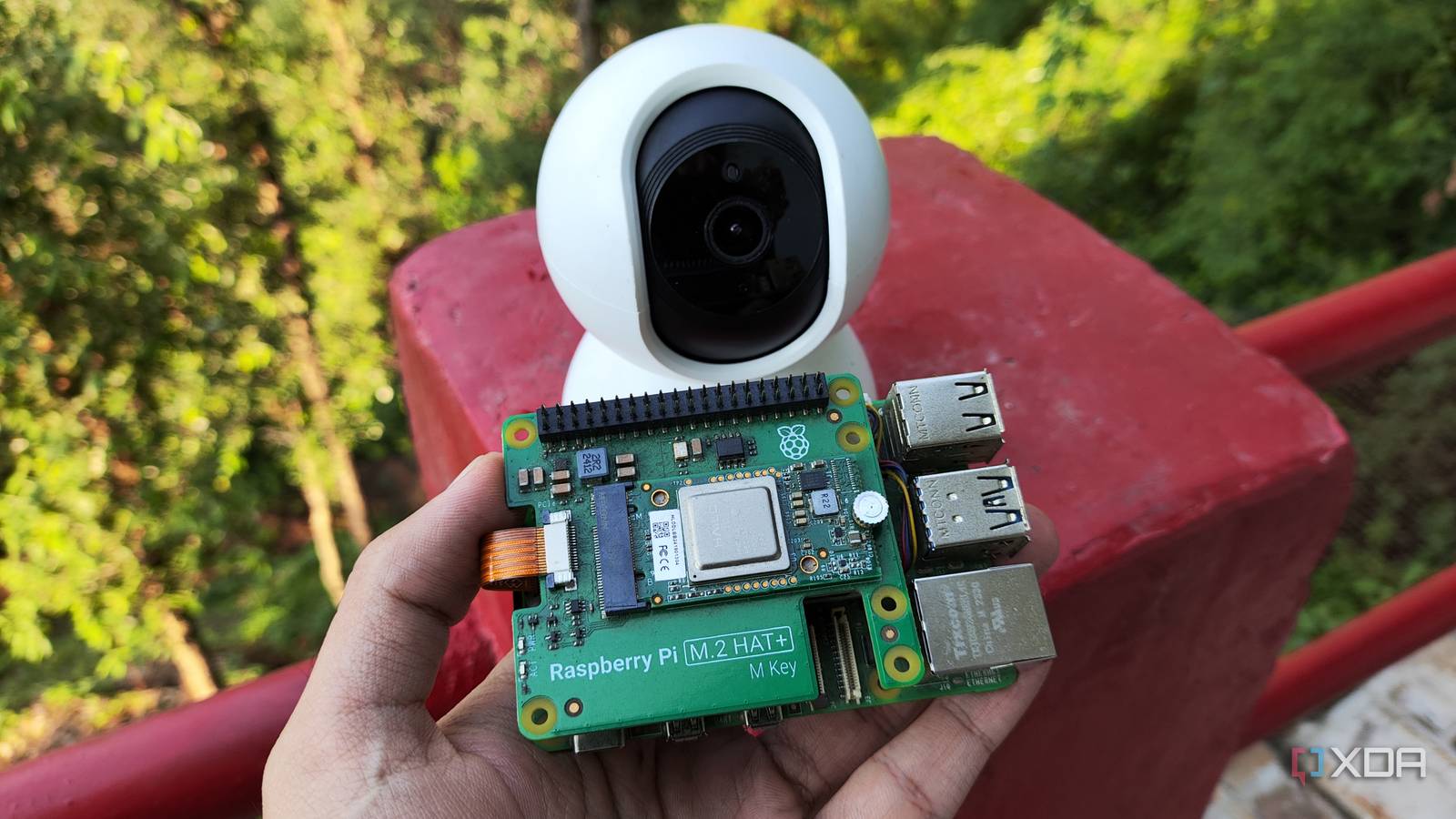
Building your own security camera with a Raspberry Pi isn’t just a cost-saving measure—it’s a declaration of independence from the frustrations of proprietary smart home ecosystems.
When companies like Belkin abruptly discontinue product lines such as Wemo, users are left scrambling for workarounds or forced into new ecosystems that may not suit their needs. A Raspberry Pi-based camera sidesteps these issues entirely. Unlike Ring’s subscription-dependent cloud storage or the uncertainty of third-party support, a DIY setup keeps your footage local and under your control. You decide how long to store videos, whether to encrypt them, and how to integrate them with other smart home tools—no sudden service interruptions, no locked features behind paywalls.
The Practical Advantages of a Pi-Powered Setup
Raspberry Pi cameras are lightweight yet capable, running open-source software like MotionEye or ZoneMinder to handle motion detection and recording. A few lines of code and a compatible camera module (official or third-party) are all you need to transform a $35 board into a 24/7 surveillance system. Power consumption is minimal, and the device can run headless, tucked away in a corner with nothing more than a network cable or Wi-Fi connection.
For those wary of cloud dependency, local storage means no monthly fees and no risk of data breaches affecting your footage. You can even set up alerts via Telegram or email when motion is detected, blending modern convenience with old-school reliability. The hardware is modular, too—swap out the camera for a better sensor or add a battery pack for outdoor use without redesigning the entire system.
Beyond Cost: Control and Customization
The real draw isn’t just the upfront savings; it’s the freedom to tailor every aspect of the camera’s behavior. Want to adjust motion sensitivity? Edit the configuration file. Need to integrate it with your existing Home Assistant setup? Most open-source tools play nicely together. There’s no vendor dictating which features are available or when they’ll be discontinued.
For smart home enthusiasts tired of playing by someone else’s rules, a Raspberry Pi security camera isn’t just a functional alternative—it’s a statement that your home’s security shouldn’t hinge on a corporation’s whims.
Source: XDA Developers. AI-assisted editorial synthesis — TechnoExpress.