

Don’t overpay for a bigger SSD—it’ll outlast your PC anyway
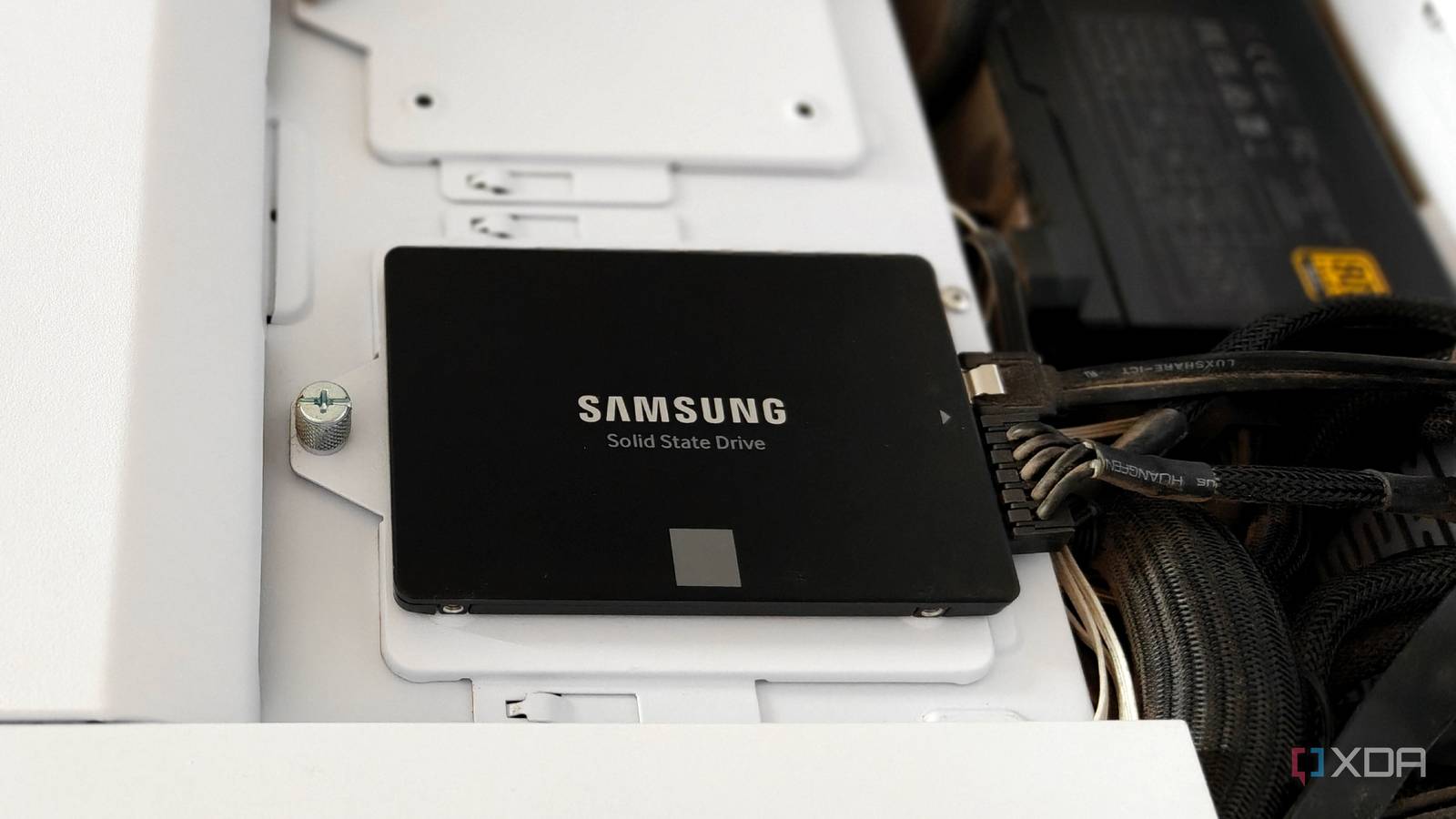
A typical SSD bought today is likely to survive multiple PC upgrades, making large upfront purchases seem less urgent. As NAND flash prices creep upward, consumers often rush to stock up on storage, but that strategy may not pay off in the long run.
The storage trap: bigger isn’t always better
When RAM, GPUs, or even whole consoles face price hikes, shoppers tend to overbuy to avoid future shortages or costs. SSDs are now joining that cycle. Industry watchers warn that NAND flash costs are climbing, prompting some to fill every M.2 and SATA slot preemptively. Yet the reality is that a mid-range SSD purchased today is expected to remain functional long after the PC it’s installed in has been retired. Most consumer drives are rated for years of daily use and can outlast multiple system builds.
When capacity makes sense—and when it doesn’t
For users who regularly handle large media files, video editing, or gaming libraries, extra storage can be useful. But for general computing needs, doubling or tripling capacity simply to future-proof may lead to underutilized space and higher initial spending. As prices rise, evaluating actual usage patterns becomes more important than chasing headline gigabyte counts.
A smarter approach to storage upgrades
Rather than bulk-buying today, consider incremental upgrades tied to real demand. Monitor your storage growth over time and expand only when necessary. That way, you avoid tying up capital in capacity you may never fully use while still keeping pace with evolving needs.
Source: XDA Developers. AI-assisted editorial synthesis — TechnoExpress.