

Germany backs Flatpak with half a million euros for digital sovereignty
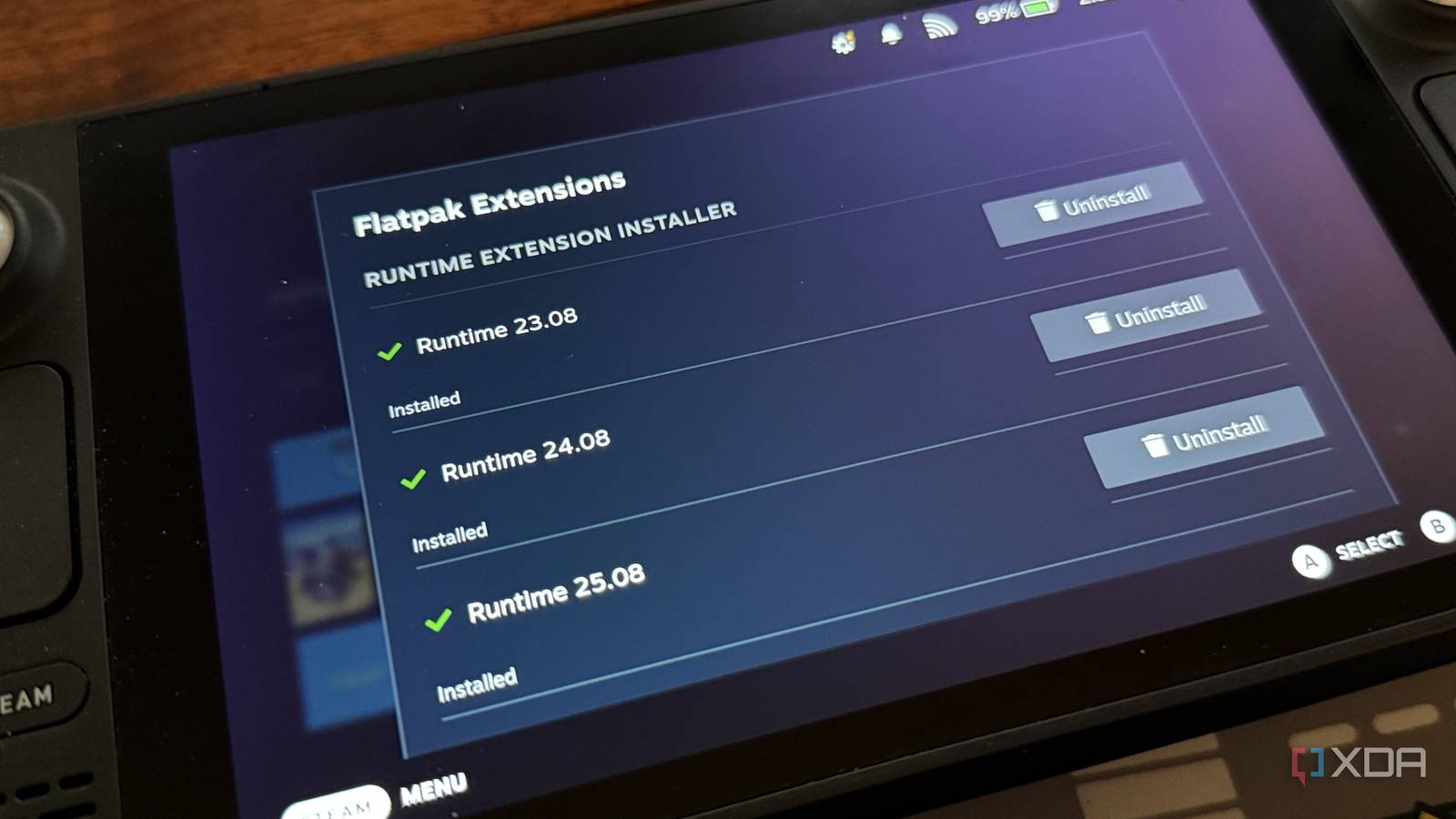
German authorities are placing a bet on Flatpak, the universal Linux application format, by injecting €500,000 into its development. The funding comes from the German Sovereign Tech Agency (GSTA), a public body tasked with strengthening Europe’s digital independence by reducing reliance on proprietary software ecosystems. The move signals Berlin’s growing interest in open, portable packaging solutions that promise to simplify software delivery across diverse Linux distributions without locking users into vendor-specific formats.
A step toward digital autonomy for Europe
The investment arrives as part of a broader push across the continent to reclaim technological control from non-European vendors. Flatpak’s appeal lies in its container-like design, which bundles applications and their dependencies into self-contained units that run consistently across different Linux systems. Unlike traditional packages that often require manual tweaking or distribution-specific builds, Flatpak packages are designed to work “everywhere,” a feature that aligns with Europe’s goal of minimizing fragmentation in software supply chains.
What the money will change
The €500,000 grant will not overhaul Flatpak overnight, but it will help fund targeted improvements such as better sandboxing, performance optimizations, and enhanced cross-distribution compatibility. Developers involved in the project have emphasized that the funds will focus on hardening the platform and reducing the overhead required to maintain and distribute applications in a sovereign environment. Over time, these changes could make Flatpak a more attractive default for public administrations and enterprises seeking to standardize on open formats.
Why it matters
This funding is less about Flatpak itself and more about Europe’s strategic shift toward open, interoperable technologies that reduce dependency on single-vendor ecosystems. By investing in a format already supported by major distributions and software vendors, Germany is signaling that portable packaging is a viable path to digital sovereignty. The move may encourage other EU nations to follow suit, accelerating adoption of open standards across public and private sectors. Ultimately, it’s a small but concrete step toward a more diversified and resilient digital infrastructure—one where software isn’t just portable, but politically portable too.
Source: XDA Developers. AI-assisted editorial synthesis — TechnoExpress.