

Google’s Android antitrust fine stands after EU court final ruling
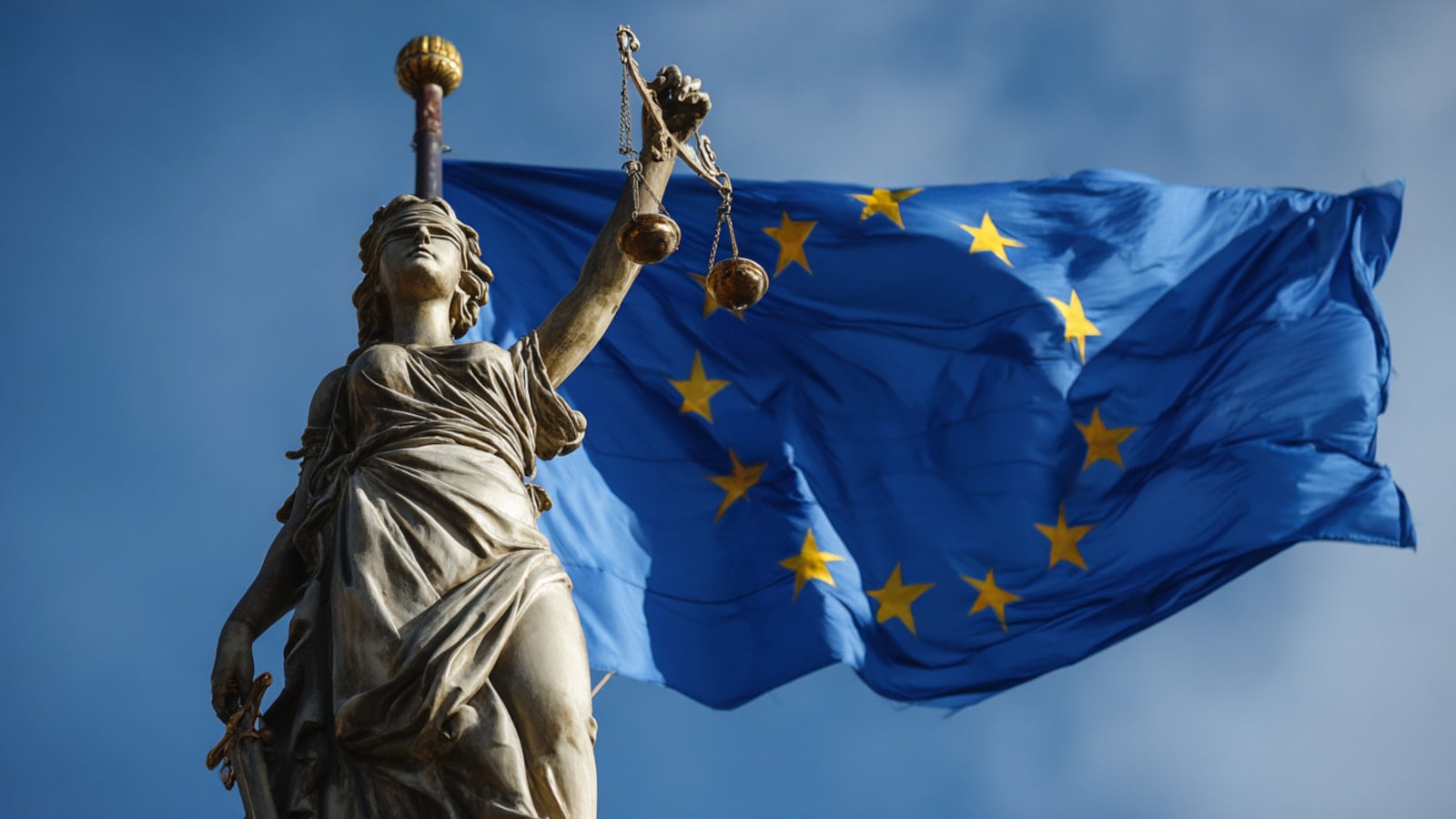
The European Union’s highest court has closed the book on Google’s years-long legal fight against a €4.1 billion fine, ruling that the company unlawfully leveraged Android to entrench its search and Chrome services. The Court of Justice of the European Union (CJEU) rejected Google’s final appeal, leaving the penalty intact and reinforcing Brussels’ stance on digital market fairness.
A landmark precedent for digital antitrust enforcement
The ruling marks the end of a saga that began in 2018, when the European Commission concluded that Google imposed restrictions on Android device makers to favor its own search engine and browser. These practices, the Commission argued, stifled competition by limiting users’ ability to choose alternatives. The CJEU’s decision upholds those findings, setting a clear precedent for how the EU will treat similar cases in the future. For regulators, it signals that tech giants must design their ecosystems with fair competition in mind—or face substantial penalties.
What comes next for Google and the Android ecosystem
With the fine now final, Google faces the immediate task of adapting its business practices while complying with the court’s order. The company has already made concessions in the past, such as allowing users to select default search engines and browsers during device setup. However, the ruling suggests these measures may not have gone far enough to satisfy EU standards. Observers expect further adjustments to how Google distributes its apps and promotes its services on Android devices, potentially reshaping the app ecosystem for both developers and users.
For the broader tech industry, the decision serves as a reminder of the EU’s willingness to challenge dominant platforms. As digital markets grow increasingly concentrated, the CJEU’s stance could embolden regulators to take more aggressive action against perceived anti-competitive behavior. Companies operating in Europe will need to scrutinize their practices closely—or risk facing similar legal challenges.
Source: BleepingComputer. AI-assisted editorial synthesis — TechnoExpress.