

OpenClaw’s viral rise reshapes open source AI collaboration
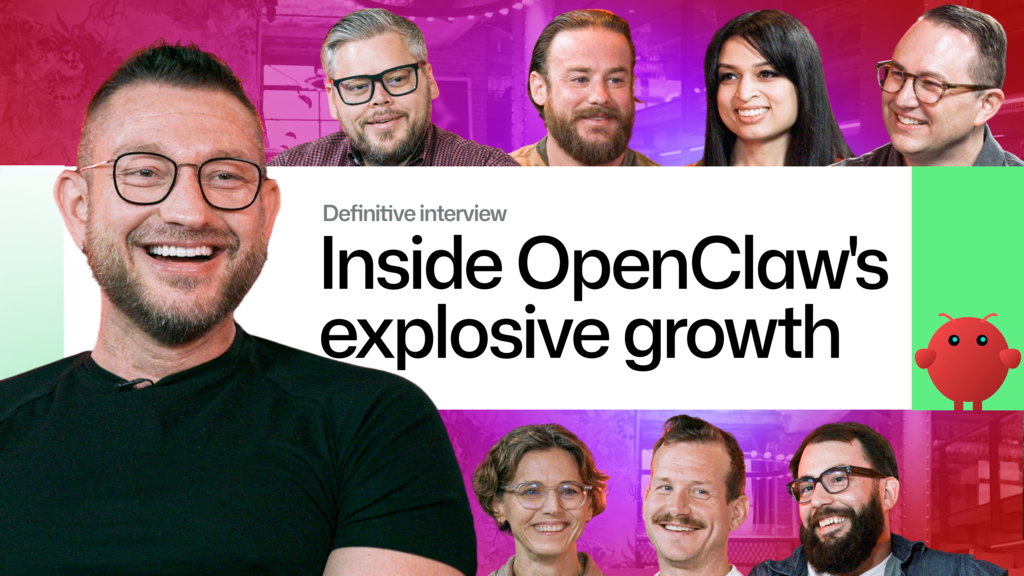
A weekend experiment became a global phenomenon in under a year. OpenClaw, a personal AI assistant that runs locally and syncs with existing messaging platforms, now boasts nearly 400,000 GitHub stars and over 80,000 commits—all built by a distributed team of maintainers learning to manage unprecedented growth. What started as Peter Steinberger’s side project in November 2025 now faces the challenges of scale, security, and community trust in the age of AI-powered contributions.
From pull requests to “prompt requests”
OpenClaw’s maintainers didn’t just face a surge—they faced a flood. Pull requests poured in at rates that overwhelmed human review, with some contributors submitting hundreds at once. Steinberger now calls them “prompt requests,” reflecting how AI agents are reshaping contribution patterns. “There were contributors running automated factories to mine issues,” said Josh Lehman, a member of the OpenClaw Foundation. The bottleneck shifted from attracting participants to identifying real value amid the noise.
Welcoming the unexpected contributor
Rather than shutting the door on imperfect contributions, the team embraced newcomers—including non-developers using AI agents to draft their first pull requests. Vincent Koc, chief architect, noted that many merged PRs came from contributors solving specific problems, not professional developers. “They’re just people with a need,” he said. By pairing guidance with openness, OpenClaw turned first-time contributors into long-term collaborators, even when their initial submissions fell short.
Agents amplify productivity—and risk
AI agents cut development time dramatically, but they also blur the line between work and life. Val Alexandar described seeing contributors push through sleepless nights to complete tasks faster. “If I don’t sleep tonight, I can do what used to take a week,” one contributor admitted. The same tools that accelerate innovation can also create pressure to overwork, forcing maintainers to balance efficiency with contributor well-being.
Why it matters
OpenClaw’s trajectory reveals how AI is rewriting the rules of open source. The days of manual pull request triage are giving way to systems that must distinguish signal from noise in a sea of automated activity. For maintainers, the challenge isn’t just technical—it’s human. Building trust with diverse contributors, safeguarding supply chains, and preventing burnout will define the next generation of open source projects. The lessons from OpenClaw aren’t just about scaling code; they’re about scaling community safely in the AI era.
Source: GitHub Blog. AI-assisted editorial synthesis — TechnoExpress.