

One-cable mini PC breathes new life into desktop GPUs
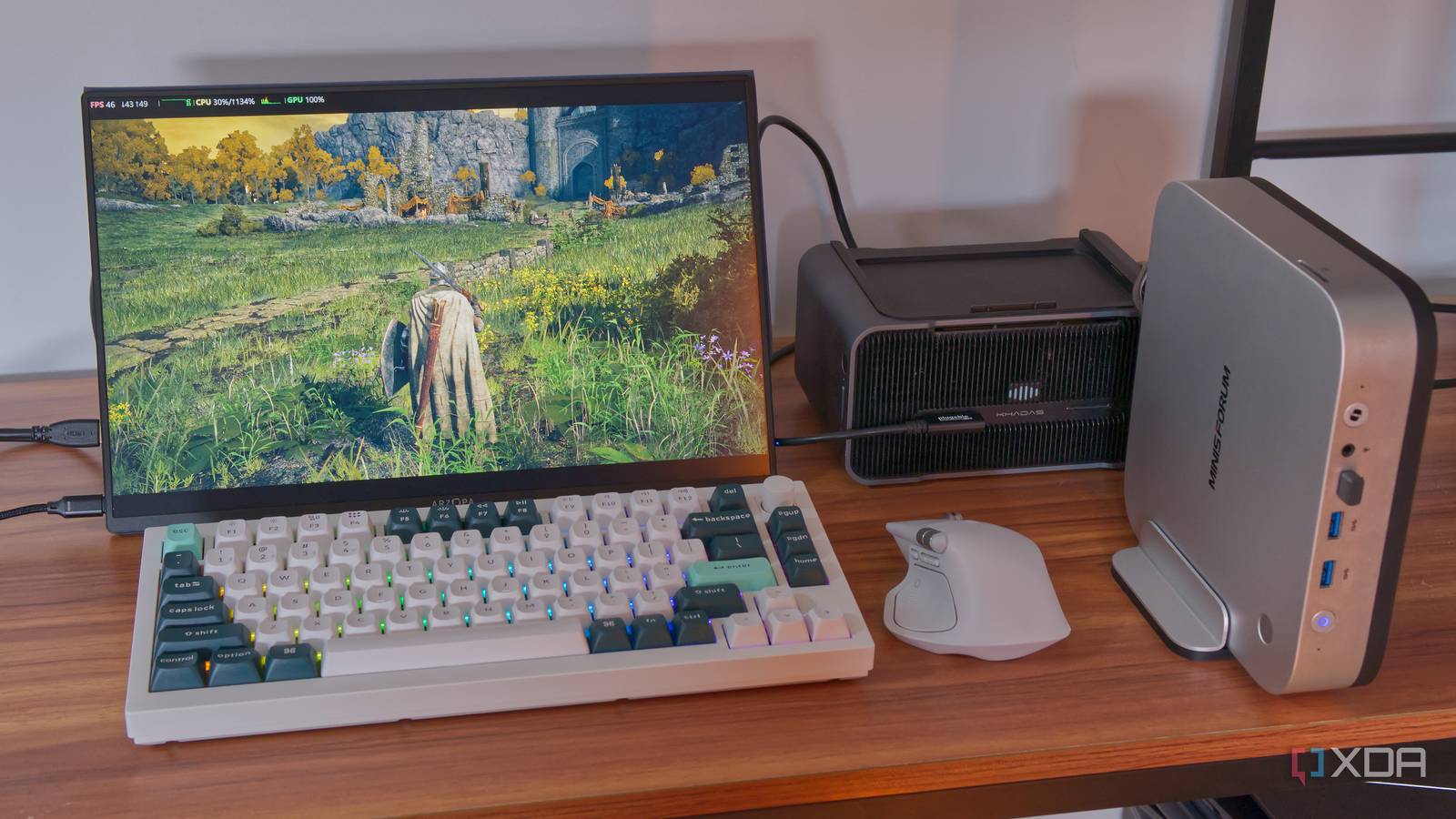
A single cable now connects a full-size desktop graphics card to a mini PC, turning a palm-sized computer into a powerhouse capable of running AAA games and heavy creative workloads. The trick? A custom bridge that bypasses the traditional PCIe slot while preserving bandwidth and stability. It’s an engineering feat that shrinks the desktop experience without shrinking performance.
From tower to thumb drive
The setup relies on a compact adapter that links the GPU’s PCIe lanes to the mini PC through a high-speed Thunderbolt or USB4 connection. In testing, the external card delivered frame rates within 5–10% of an internal installation, a gap narrow enough to make the difference negligible for most users. The adapter’s small footprint hides the fact that it’s carrying up to 64 PCIe 3.0 lanes—more than many full desktops offer.
Who benefits—and what changes
For gamers, the option turns a tiny living-room PC into a portable console-like rig. Content creators gain a quiet, space-saving workstation that can swap GPUs on demand—no tower upgrades required. Even office users eyeing AI acceleration or multi-monitor setups now have a practical way to add muscle without a full system rebuild.
Why it matters
This isn’t just another eGPU novelty; it’s a practical workaround for the miniaturization ceiling that’s held small-form-factor PCs back from high-end tasks. By preserving near-native performance in a footprint smaller than a gaming laptop, the approach could push mini PCs into new markets—from VR arenas to real-time 3D rendering suites. The real stake is whether the industry adopts the adapter as a standard, making desktop-grade power as portable as a USB stick.
Source: XDA Developers. AI-assisted editorial synthesis — TechnoExpress.