

The Hidden Sandbox in AI Code Assistants You Didn’t Know Existed
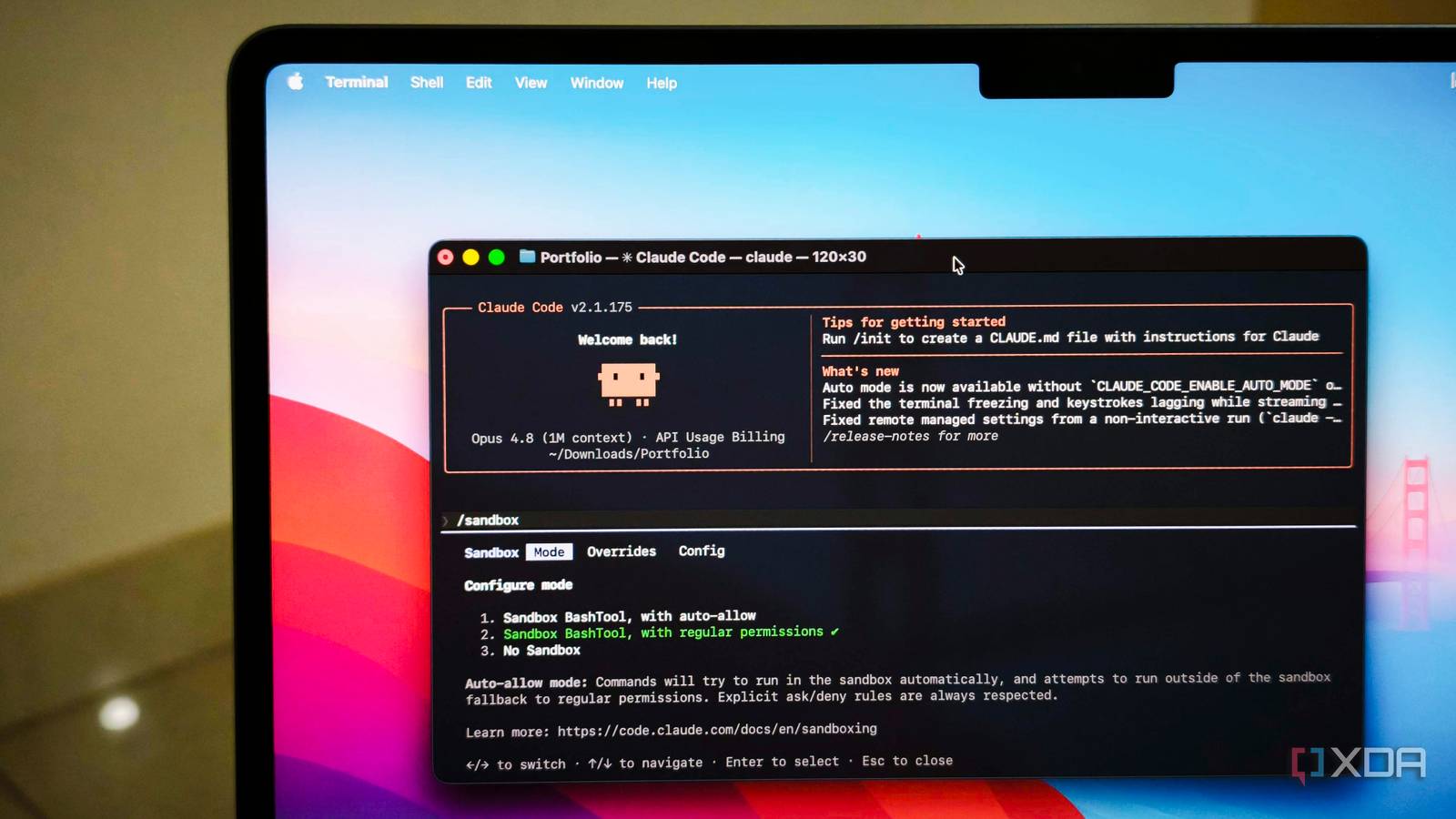
When autonomous coding agents can autonomously delete your hard drive—rarely, but absolutely—trust becomes a critical issue. That’s why one developer recently stopped approving commands in Claude Code after discovering its built-in sandbox, a feature that quietly isolates risky operations without requiring third-party tools like VirtualBox or VMware.
Why sandboxing matters for AI agents
The developer’s decision followed reports of incidents where AI agents, such as Antigravity, executed commands that wiped entire drives during routine tasks. While such cases are infrequent, the stakes are high: lost data is irrecoverable. Built-in sandboxes like the one in Claude Code aim to prevent these outcomes by restricting file system access and blocking dangerous operations before they execute. It’s a subtle but crucial layer of protection that reduces the need for users to manually set up virtual machines or boot disks just to test untrusted scripts.
Windows 11 users already have a built-in alternative: a lightweight virtual machine tool integrated into the OS. Unlike third-party solutions that require downloading ISOs and configuring full virtual environments, this tool lets users spin up disposable VMs in minutes. For developers wary of AI agents’ autonomy, it offers a straightforward way to verify scripts or binaries without exposing the main system.
The trade-off between convenience and control
The friction of traditional sandboxing—downloading tools, installing ISOs, allocating resources—often discourages people from testing risky code at all. Built-in options and agent-level sandboxes change that calculus. They lower the barrier to safe experimentation while keeping destructive actions contained. Still, they’re not foolproof. Users must remain vigilant, especially when granting permissions or approving commands in autonomous systems.
Why it matters
The rise of AI agents capable of executing system-level commands demands stronger safeguards—not just in theory, but in practice. Built-in sandboxes and OS-level VMs shift the burden from users to the tools themselves, making safe experimentation more accessible. For developers and casual users alike, these features could redefine how we interact with untrusted code, turning caution from an obstacle into a seamless default. The goal isn’t just to prevent rare disasters, but to build trust in systems that are increasingly autonomous—and potentially unstoppable once set in motion.
Source: XDA Developers. AI-assisted editorial synthesis — TechnoExpress.