

AI Steps In Where GRC Analysts Tread
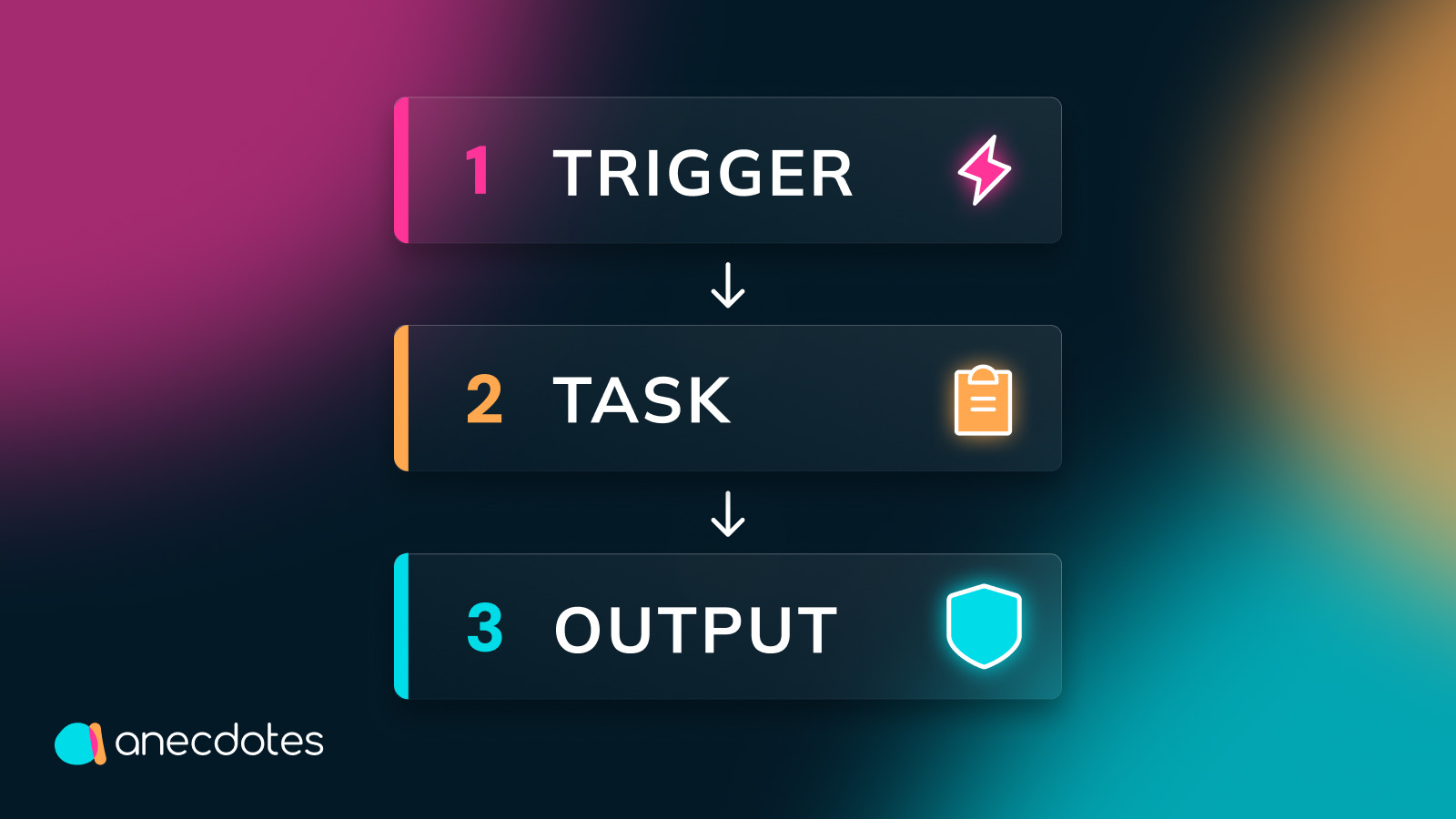
A first-generation GRC agent isn’t here to replace human oversight—it’s designed to shoulder the daily grind so analysts can concentrate on risk decisions rather than spreadsheets. A recent walkthrough demonstrates how a lightweight autonomous agent can keep an eye on control evidence, flag missing artifacts, and even open remediation tickets, freeing teams to think beyond the checklist.
From Alerts to Action
The experiment starts with a simple premise: collect the raw artifacts that prove a control is operating—log files, configuration snapshots, scan outputs—and feed them into a monitoring loop. Instead of waiting for an auditor’s report, the agent continuously scans directories and APIs for the latest evidence. When a file is missing or a hash no longer matches policy, it doesn’t just raise a flag; it logs a ticket in the same system analysts already use, complete with context so remediation teams can act immediately.
Where the Model Meets the Manual
The agent’s value lies in its narrow focus: it doesn’t try to outthink policy, it just enforces it consistently. Red-teamers report that the biggest time-saver is consistency—no skipped controls, no overlooked artifacts—because the loop runs every few hours without fatigue. Human reviewers still set the rules, review the outputs, and adjust thresholds, but the agent handles the repetitive checks that traditionally eat up analyst hours.
For organizations drowning in compliance paperwork, the takeaway is straightforward: start small, automate the evidence collection, and let analysts graduate from data clerks to risk managers. The tool isn’t magic, but it is a force multiplier for teams that need to do more with the same headcount.
Source: BleepingComputer. AI-assisted editorial synthesis — TechnoExpress.