

EU and UK Sanction Russia for Cyberattacks Amid Rising Threats
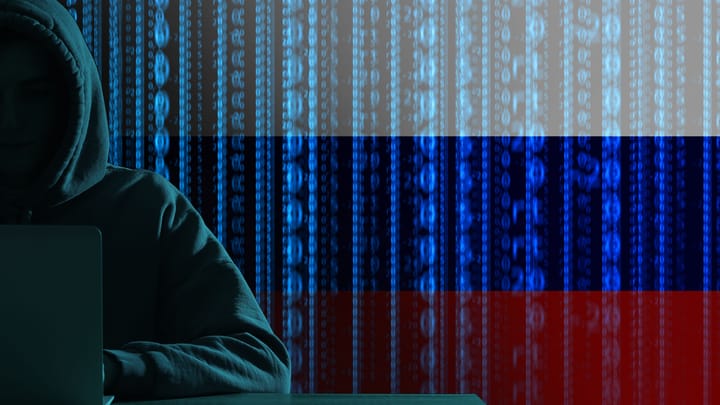
The European Union and the United Kingdom have taken a rare joint stance against Russian cyber operations, imposing sanctions on individuals and entities for their involvement in cyberattacks and disinformation campaigns. This marks the first time both blocs have coordinated such measures, reflecting growing concerns over digital threats originating from Russia.
A United Front Against Digital Warfare
The sanctions target a range of actors, including hackers and propagandists, for activities that have destabilized regional security. The move underscores the escalating threat posed by state-sponsored cyber operations, which have increasingly targeted critical infrastructure and democratic processes. By acting in unison, the EU and UK aim to send a clear message: impunity for cyber aggression will not be tolerated.
Strengthening Cyber Defenses in a Shifting Landscape
While sanctions are a political tool, they also highlight the broader challenge of securing digital infrastructure against sophisticated adversaries. Weak security practices—whether in government systems or private enterprises—continue to provide openings for attackers. The coordinated response signals that cyber resilience is no longer just a technical issue but a geopolitical one.
Why it matters
This joint action demonstrates that cyber deterrence is evolving beyond rhetoric. For organizations, it means heightened scrutiny of supply chains and foreign partnerships, especially with entities linked to high-risk regions. For policymakers, it sets a precedent for cross-border collaboration in countering digital threats. Ultimately, the sanctions reinforce the need for proactive cybersecurity measures—not just in Europe, but globally.
Source: Dark Reading. AI-assisted editorial synthesis — TechnoExpress.