

NASA abandons Swift rescue mission after robotic failure
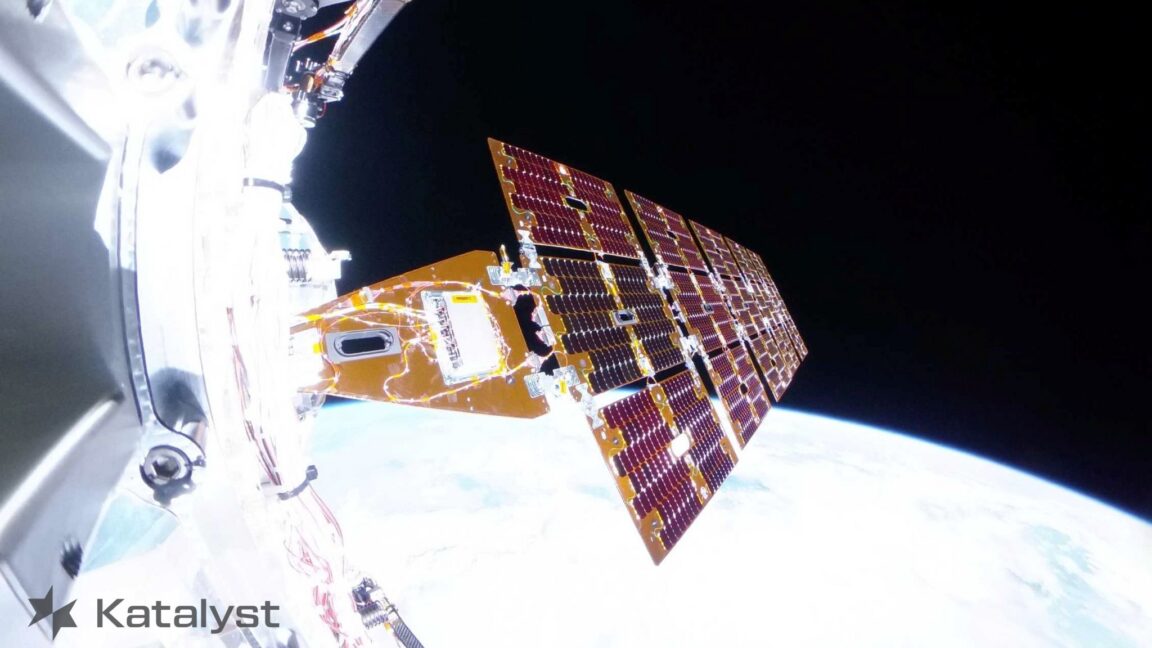
NASA and Katalyst Space Technologies have scrapped their plan to save the aging Swift gamma-ray observatory before it burns up on re-entry. The Link satellite, designed to grab the telescope and push it into a higher orbit, suffered “ongoing attitude control issues,” according to Katalyst’s latest update.
The mission that never was
Launched on July 3, Link was meant to dock with NASA’s Neil Gehrels Swift Observatory using three robotic arms and three xenon-fueled thrusters. Swift, a refrigerator-sized satellite launched in 2004, has already outlived its original five-year design. Its orbit has decayed to roughly 450 km, where drag from Earth’s atmosphere steadily pulls it lower. Without intervention, Swift is expected to re-enter the atmosphere in the late 2020s.
What went wrong
Katalyst reports that attitude control problems on Link prevent precise rendezvous operations. The spacecraft remains functional, however, and the company plans to use remaining propellant for a close-proximity demonstration of its navigation system near Swift, though no rescue or orbit boost will be attempted.
Why it matters
The failure underscores the growing role of commercial in-space servicing and the limits of today’s robotic technology. Swift’s demise will remove a key source of rapid gamma-ray burst alerts for astronomers, while the incident highlights how aging science missions remain vulnerable to single-point mechanical failures. It also signals that orbit-boost services may need stricter redundancy before they can be counted on for long-lived assets.
Source: Ars Technica. AI-assisted editorial synthesis — TechnoExpress.