

How measuring RAM needs can cut your next PC build costs
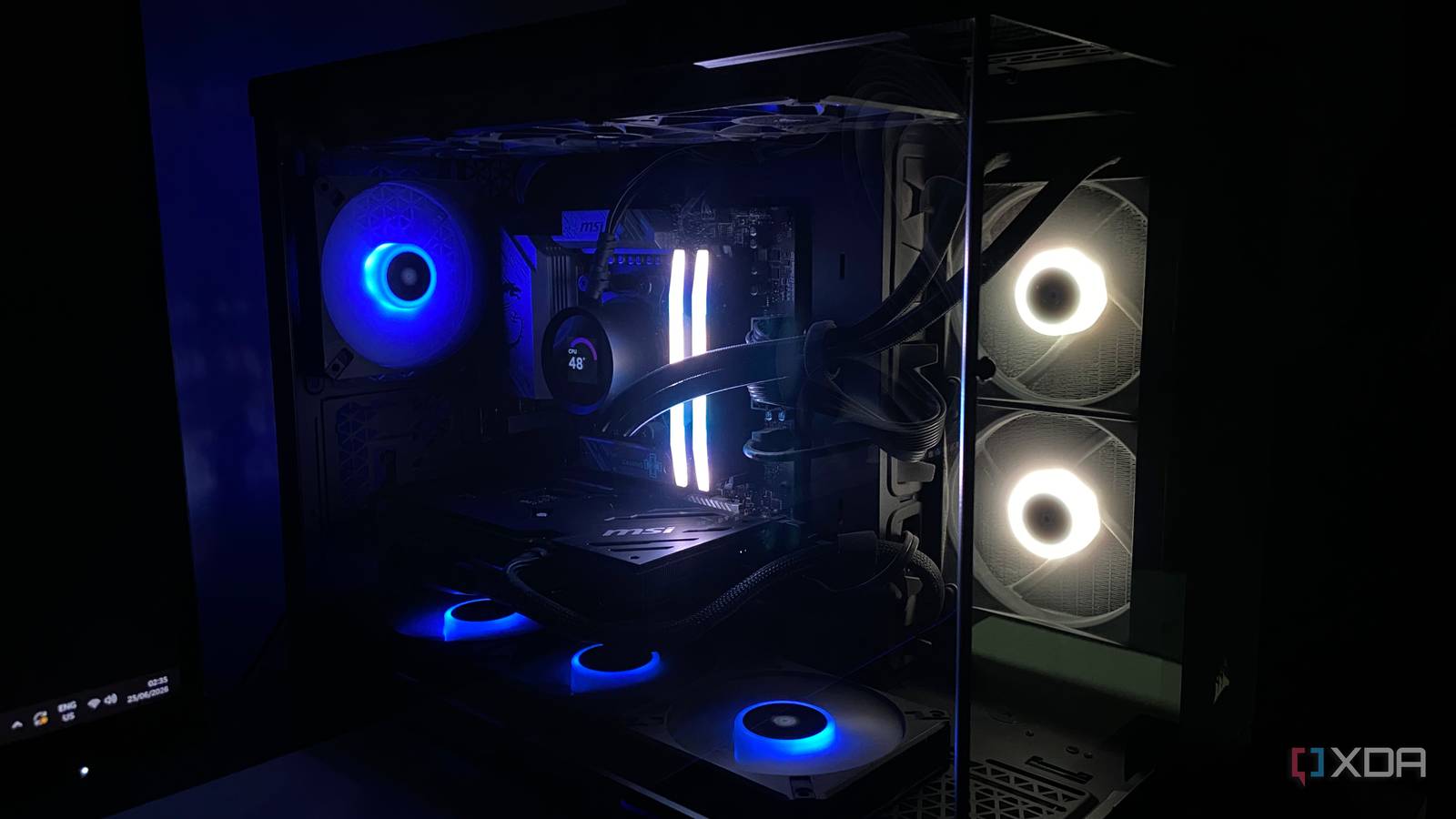
Building a PC today means walking a tightrope between performance and budget. Every component matters, but RAM often sits at the heart of the decision—too little and your system stalls; too much and you’ve wasted money. Instead of relying on guesswork, measuring actual usage can guide your choices and keep costs in check.
The guessing game is over
Many builders still default to 16GB or 32GB based on trends or basic needs, assuming that’s enough. But real-world usage varies widely: gamers pushing high-end titles, creators running heavy workloads, or multitaskers juggling dozens of browser tabs all place different demands on memory. Without concrete data, it’s easy to overpay for capacity you’ll never use—or under-spec and face slowdowns later.
Tools that turn speculation into strategy
Modern utilities like Windows Task Manager, Resource Monitor, or third-party apps such as HWiNFO provide live snapshots of memory consumption. By running your typical applications—whether gaming sessions, video editing, or even idle background processes—you can observe peak usage over time. This data doesn’t just suggest a baseline; it reveals patterns: how much RAM your system truly needs during sustained workloads, and when it might benefit from upgrades.
Smarter builds start with real numbers
Armed with usage insights, builders can make targeted decisions. A mid-tier gamer might find 24GB sufficient instead of 32GB, while a content creator could justify 32GB knowing their tools consistently push limits. The result isn’t just savings—it’s confidence. No more second-guessing, no more fear of obsolescence. Just a system tailored to real needs, built once and built right.
Source: XDA Developers. AI-assisted editorial synthesis — TechnoExpress.