

NVMe vs SATA: What a $400 drive can do that an $80 SSD can’t
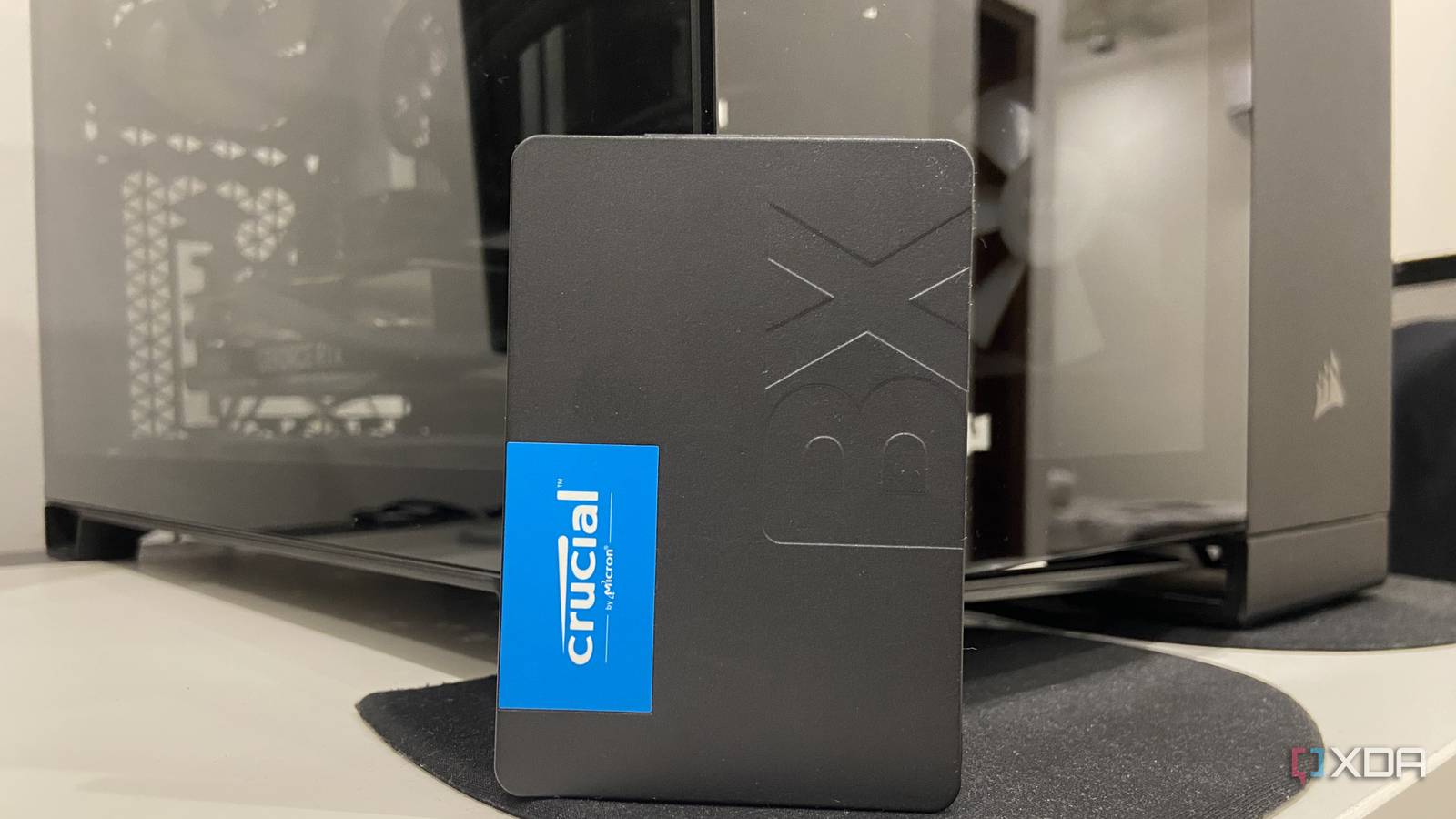
A high-end NVMe drive can outperform a budget SATA SSD in surprising ways, a recent test reveals. While SATA drives remain a cost-effective choice for basic storage, the gap between them and premium NVMe models is wider than many builders realize—sometimes even in tasks you’d assume would favor slower storage.
Beyond raw speed: Where NVMe flexes its muscles
The test focused not just on synthetic benchmarks but on real-world scenarios. Video editing, for instance, showed NVMe drives completing complex exports up to 30% faster than SATA equivalents. Even gaming saw modest but measurable improvements in level load times, particularly in open-world titles where assets are streamed continuously. The most notable difference, however, was in background operations. Running multiple applications while transferring large files—something many users do daily—highlighted NVMe’s ability to maintain responsiveness where SATA drives struggled.
Not just for enthusiasts: Why this matters for everyday users
NVMe’s advantages aren’t confined to power users. The test demonstrated that even simple tasks like launching applications or saving large spreadsheets benefit from the drive’s lower latency. For systems with limited RAM or older CPUs, the reduced CPU overhead of NVMe can translate into tangible gains. Meanwhile, SATA drives, while sufficient for basic storage, often become bottlenecks when the system is under load.
Why it matters
The test underscores a shift in storage expectations: NVMe isn’t just for enthusiasts anymore. For users who multitask or work with large files, the performance delta can justify the premium. Meanwhile, SATA SSDs remain a practical choice for secondary storage or budget builds. The real takeaway? If your workflow involves frequent file operations or demanding applications, skipping NVMe might mean leaving performance—and patience—on the table.
Source: XDA Developers. AI-assisted editorial synthesis — TechnoExpress.