

Framework’s repairable laptops: modularity gains ground, sales lag behind
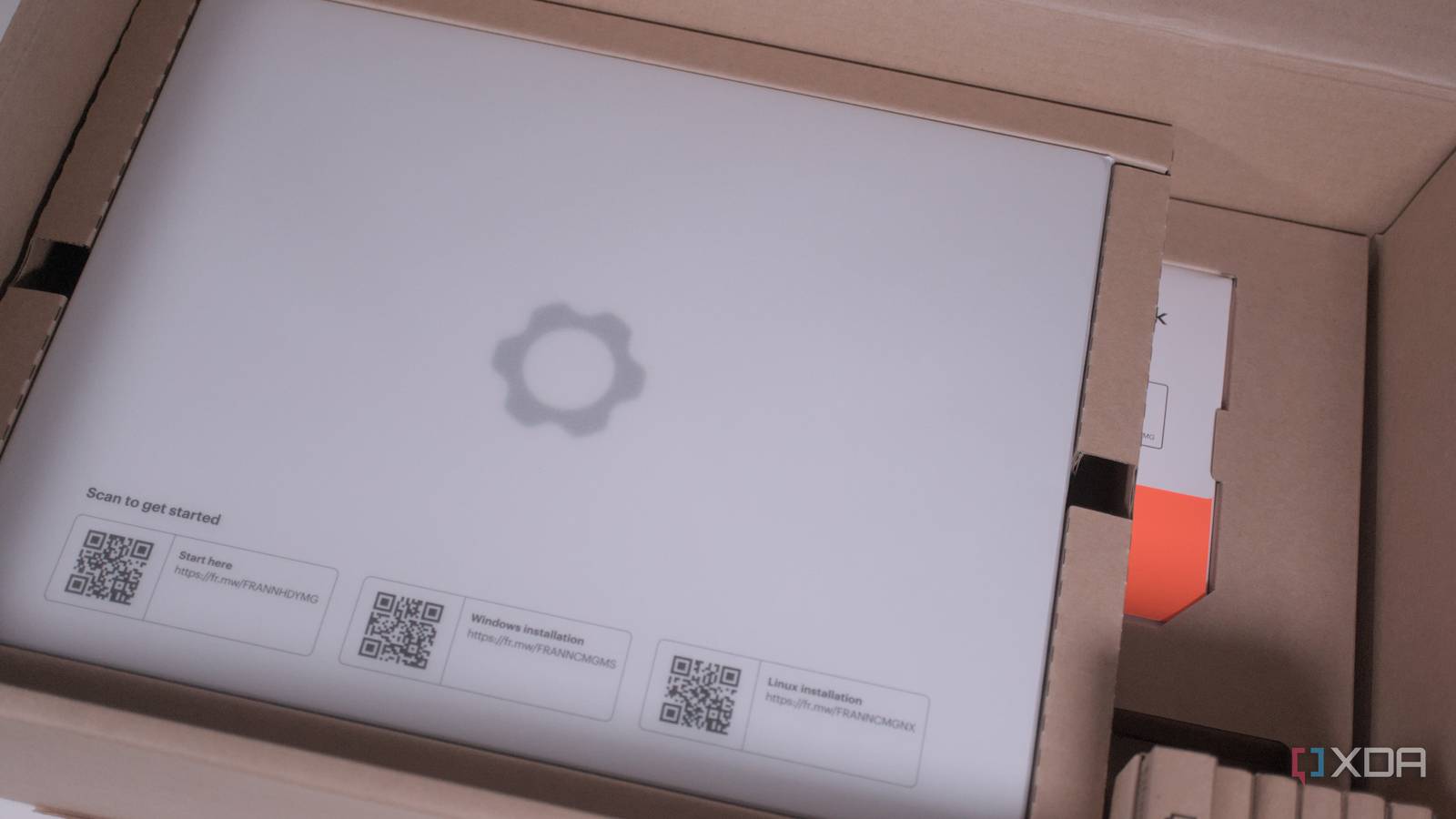
In 2021, Framework introduced the first truly modular laptop aimed at consumers, turning the idea of repairability into a practical product. Five years later, the company still stands alone in making right-to-repair a central selling point. Framework’s lineup—from the compact 12-inch model to the newly launched 16-inch Laptop 13 Pro—shows that modular design can coexist with performance, offering chips from Intel, AMD, or Nvidia, up to 64GB of RAM, and storage options reaching 8TB. Yet, despite these technical achievements, the broader market has yet to embrace the concept in large numbers.
A bold bet on repairability
Framework bet early on that users would value the ability to upgrade, repair, and customize their laptops. The company’s approach allows owners to swap out nearly every component, from the display to the mainboard, without specialized tools. This philosophy aligns with the rising demand for sustainability and reduced e-waste, a concern many consumers now consider when purchasing electronics. However, the company’s growth has been steady rather than explosive, suggesting that repairability alone isn’t enough to drive mass adoption.
Why aren’t more people buying in?
One reason may be that the average buyer still prioritizes cost, brand recognition, and immediate performance over long-term repairability. Framework’s laptops often carry premium price tags compared to conventional models, reflecting the added engineering required for modularity. Additionally, while tech enthusiasts and repair advocates praise the concept, mainstream consumers remain largely unaware or unconvinced that repairability justifies the investment. Market inertia also plays a role: most buyers default to familiar brands offering standard warranties and preconfigured specs.
Framework’s persistence proves that repairable laptops can function at a high level, but the challenge now is convincing a wider audience that modularity is worth the trade-offs.
Source: XDA Developers. AI-assisted editorial synthesis — TechnoExpress.