

Why your car's infotainment feels so slow
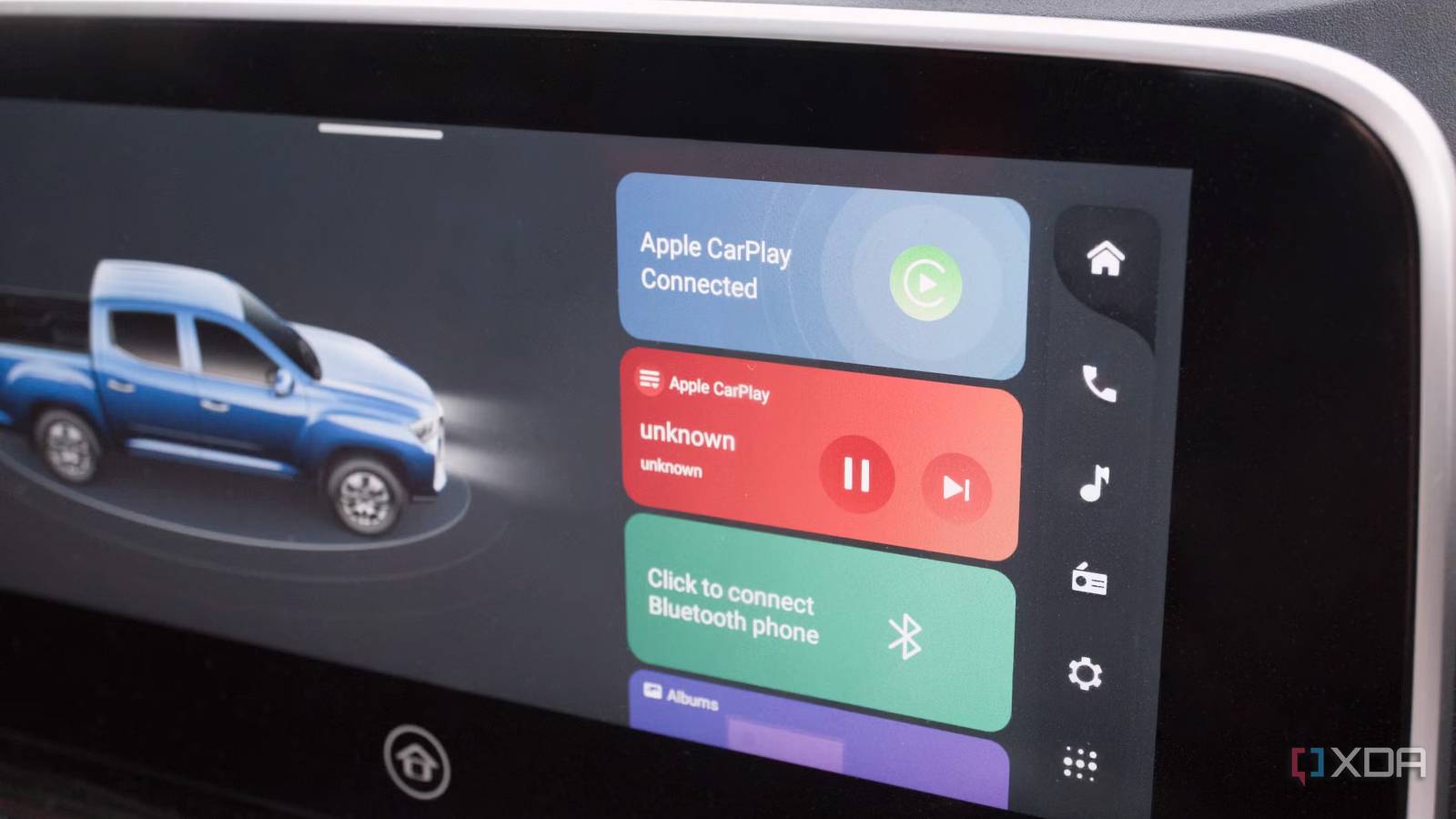
If you’ve ever fumbled with a car’s infotainment system—watching animations stutter, menus lag, or voice commands time out—you’re not alone. The culprit isn’t just poor design; it’s the hardware under the hood. Carmakers have long relied on embedded chips, the same low-power processors found in microwaves or thermostats, to run these systems instead of proper computer chips. The result? Software that feels stuck in the dial-up era.
The chip dilemma: power vs. practicality
Most cars use embedded chips for infotainment because they’re cheap, reliable, and built to last a decade or more. These chips aren’t designed for speed or multitasking; they’re made to sip power and resist heat in a cramped dashboard. But as consumers expect smartphone-like responsiveness—smooth scrolling, quick app launches, real-time navigation—those same chips struggle to keep up. The hardware simply wasn’t made for the job.
The trade-off is clear: carmakers save on cost and longevity, but users pay with frustration. Embedded chips prioritize stability over performance, meaning your infotainment screen might load a map slowly while you’re merging onto the highway.
A shift in the rearview mirror?
Some automakers are starting to acknowledge the problem. A handful of newer models now use more powerful processors—like those in smartphones or tablets—to power their infotainment systems. These chips deliver faster performance and smoother interfaces, but they also raise concerns about power consumption and long-term reliability in a vehicle’s harsh environment.
For now, though, the majority of cars on the road are still running on the same old embedded hardware. Until that changes, expect your next infotainment hiccup to be more about silicon than software.
Source: XDA Developers. AI-assisted editorial synthesis — TechnoExpress.