

Filament dryers: the overlooked hero of 3D printing
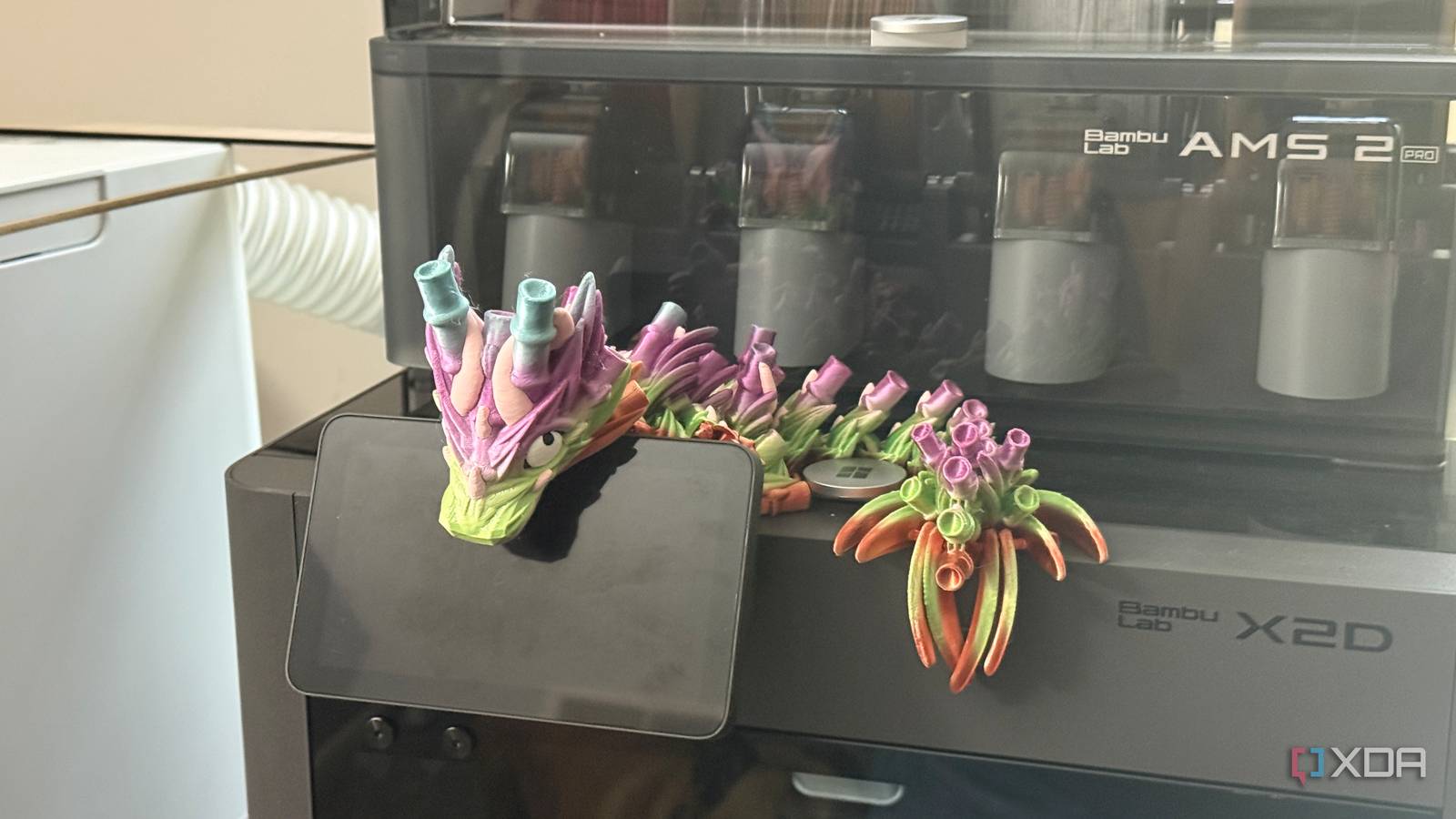
The first time someone suggested using a filament dryer, it felt like admitting defeat. After all, how could something as simple as a box with a fan and a heating element hold the key to better prints?
Yet that’s exactly what many 3D printing enthusiasts discover once they try one. For years, inconsistent layer adhesion, warping, or outright print failures were blamed on bed temperature, slicer settings, or even the printer itself. In reality, the spool of plastic sitting on the shelf may have been the real culprit all along.
The quiet problem with humidity
Plastic absorbs moisture from the air—especially hygroscopic materials like nylon or PETG. When heated in the extruder, that trapped water turns to steam, creating bubbles that weaken layers and cause rough surfaces. A filament dryer gently warms and circulates air around the spool, removing moisture before it reaches the hot end. It’s not glamorous work, but it makes a measurable difference in print quality.
When should you consider a dryer?
Casual makers printing in PLA may never need one, since the material is less sensitive. But anyone working with nylon, ABS, or flexible filaments will notice the change. Even PLA stored in humid environments can absorb enough moisture to affect surface finish. For professional users or those pushing print quality, a dryer is no longer an optional accessory—it’s part of the workflow.
A small box with big results
The beauty of filament dryers lies in their simplicity. They don’t require complex calibration or software tweaks. Just load the spool, set the temperature, and wait. Some models even dry multiple spools at once. As 3D printing matures, tools like these are quietly proving that sometimes the best solutions aren’t the most visible ones.
Source: XDA Developers. AI-assisted editorial synthesis — TechnoExpress.