

Spaceballs sequel revives the cult classic with Brooks and crew
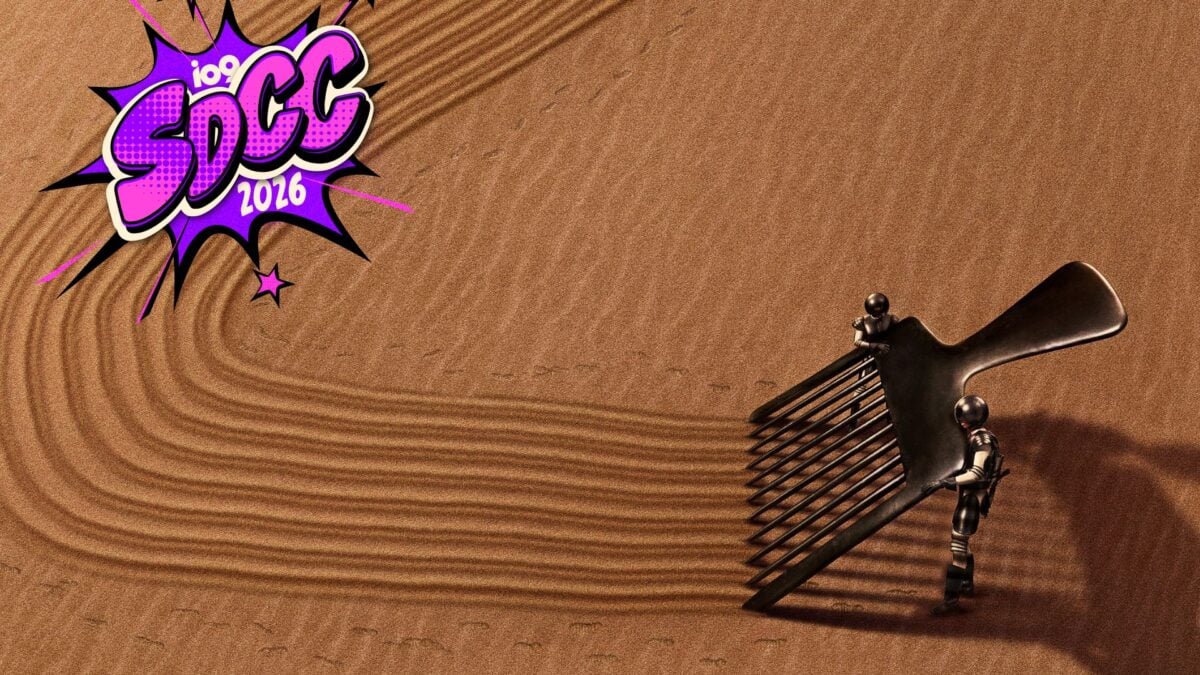
A room packed with fans erupted in laughter as Mel Brooks, Rick Moranis and the rest of the original Spaceballs gang took the stage at Comic-Con to confirm the cult classic is getting a sequel. Titled Spaceballs: The New One, the film reunites Brooks, Moranis, Bill Pullman and newcomers Keke Palmer, Lewis Pullman and Josh Gad, and is set for an April 2027 release.
The panel was less a dry announcement and more a celebration of the franchise’s enduring absurdity. Moranis joked about reprising Dark Helmet, Pullman hammed up the role of President Skroob, and Brooks—still sharp at 97—delivered punchlines that drew big laughs from the crowd. Behind-the-scenes footage teased fresh visual gags and meta jokes that stayed true to the movie’s 1987 DNA while nodding at modern internet culture.
A reunion built on nostalgia and fresh energy
For fans who grew up quoting every line, the casting alone was enough to spark excitement. Brooks, who co-wrote and directed the original, seems determined to keep the spirit alive without relying solely on nostalgia. The presence of Gen Z-friendly stars like Palmer and the Pullmans suggests the sequel aims to bridge generations, blending the film’s slapstick roots with contemporary humor.
What this means for the franchise and its fans
Thirty-six years after the original, Spaceballs remains a touchstone for sci-fi comedies that don’t take themselves too seriously. A successful sequel could reignite interest in Brooks’ filmography, attract new viewers via streaming, and even inspire merchandise or spin-offs. But the real test is whether it can recapture the original’s anarchic charm without feeling like a rehash.
Why it matters
This isn’t just another reboot—it’s a rare case where the original cast is stepping back into beloved roles with the blessing of the creator. For fans, it’s a chance to relive the joy of a movie that defined a generation of comedy. For the industry, it proves that even the most offbeat franchises can find new life when handled with respect and wit. April 2027 can’t come soon enough.
Source: Gizmodo. AI-assisted editorial synthesis — TechnoExpress.